

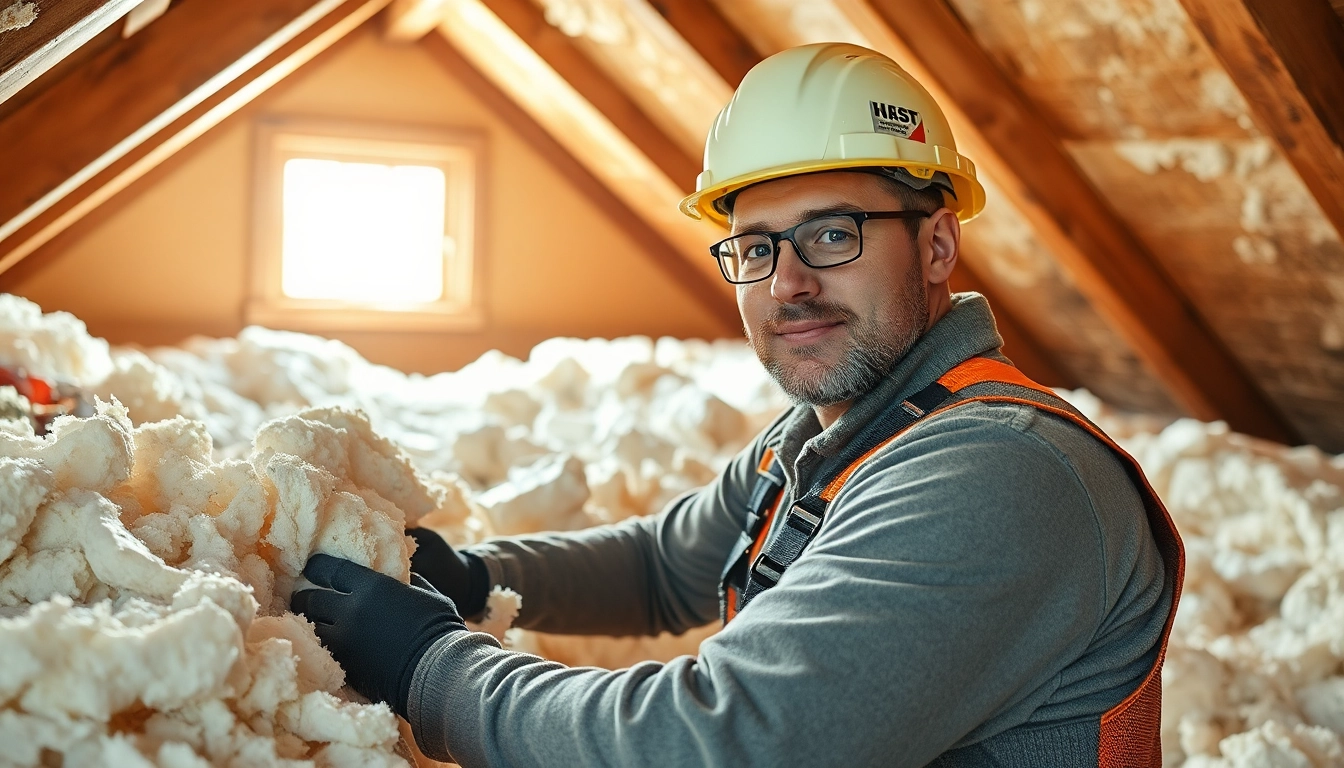
Understanding Loft Insulation Removal
What is Loft Insulation?
Loft insulation is a material placed within the attic space of a home to minimize heat loss and improve energy efficiency. It acts as a barrier, reducing the rate at which warmth escapes your home during colder months, thereby lowering energy bills. Common types of loft insulation materials include fiberglass batts, rigid foam boards, and loose-fill cellulose. Each material has its own properties, which play a crucial role in achieving optimal thermal performance.
Why Remove Old Insulation?
There are several reasons why you might need to remove old insulation. Over time, insulation can become less effective due to factors like moisture, mold growth, pest infestation, or physical degradation. If existing insulation is damp, it can lose its insulating properties and require replacement to maintain energy efficiency. In addition, older insulation materials, particularly those made from substances like asbestos, may pose health risks and need expert removal.
Signs You Need Professional Help
Recognizing when to call in a loft insulation removal specialist is crucial. Signs include visible mold growth, a musty smell in the loft, sagging insulation, visible pests in the insulation, or significant thermal fluctuations in your home’s comfort levels. If you notice any of these indicators, it’s imperative to seek professional assessment and potential removal of the old insulation.
The Role of a Loft Insulation Removal Specialist
Qualifications and Skills Required
A loft insulation removal specialist typically requires a combination of relevant qualifications and skills. Certifications in asbestos awareness, experience in safe handling of insulation materials, and knowledge of building regulations are essential. Moreover, hands-on experience is crucial, as it equips specialists with the practical skills needed to navigate complex loft spaces while ensuring safety and efficiency. Familiarity with safety protocols and equipment used in insulation removal also plays a significant role in effective service delivery.
Safety Procedures to Follow
Safety is paramount in the process of insulation removal. Specialists should adhere to strict safety protocols, including wearing appropriate personal protective equipment (PPE) such as respirators, gloves, and safety goggles. Proper ventilation is essential to mitigate exposure to dust and airborne particles during removal. Additionally, isolation of the area to prevent contamination of living spaces is crucial. Following local regulations concerning waste disposal and hazardous materials is also a critical safety consideration.
Tools Used in the Insulation Removal Process
The tools and equipment utilized by a loft insulation removal specialist are designed to ensure efficiency and safety. Common tools include insulation vacuums, which effectively remove loose-fill materials, utility knives for cutting insulation batts, and protective sheets to cover areas during the process. In addition to these, specialists may use ladders, scaffolding, and safety harnesses for safe access to attic spaces. Each tool serves a specific purpose and contributes to the overall effectiveness of the insulation removal process.
Steps Involved in the Removal Process
Initial Assessment and Planning
The removal process begins with a thorough assessment of the loft space. A specialist evaluates the type and condition of existing insulation, identifies any issues such as moisture damage or pest infestations, and determines a removal strategy. Planning involves the establishment of a timeline, resources required, and safety measures to protect both the professionals and the home structure during the process. Clear communication with the homeowner about expectations and the scope of work is also part of this critical stage.
Insulation Removal Techniques
Depending on the type of insulation present, various techniques may be employed for removal. For batt or roll insulation, cutting and pulling out the material is common, while foam board insulation requires careful removal to prevent damage to surrounding structures. For loose-fill insulation, specialized vacuums are used to suction out the material efficiently. Each technique demands precision to ensure the safe removal of materials without compromising the integrity of the loft space.
Post-Removal Cleanup Procedures
After the insulation has been removed, the cleanup process is critical to ensure a safe environment. This includes vacuuming any remaining dust or particles, inspecting for residual contaminants, and disposing of all materials according to local regulations. Additionally, it is essential to conduct a final check to confirm that the loft space is clear and safe for any further work, such as the installation of new insulation or ventilation systems. A thorough post-removal inspection also prepares the area for the next stage in home improvement.
Cost Considerations for Hiring a Specialist
Factors Influencing Removal Costs
The cost of hiring a loft insulation removal specialist can vary significantly based on several factors. Key determinants include the type and amount of insulation being removed, the complexity of the job (e.g., access issues, presence of hazardous materials), and the geographic location of the property. Additionally, the experience and qualifications of the specialists can impact labor costs. Homeowners should seek detailed quotes from professionals to understand the full scope of potential expenses.
Budgeting for Insulation Services
When budgeting for insulation removal services, it is vital to factor in not only the removal costs but also any necessary preparatory work and new insulation installation. Homeowners should create a detailed budget outline that includes labor, disposal fees, and potential repairs to the loft space after the removal. Setting aside a contingency fund for unexpected issues that may arise during the removal process is also a best practice.
Finding Hidden Costs
Hidden costs can sometimes arise during the insulation removal process. For example, if the inspection uncovers additional issues such as structural damage or the presence of hazardous materials like asbestos, the costs for remediation can escalate. To mitigate surprises, homeowners should conduct a comprehensive assessment prior to insulation removal and discuss potential scenarios with their specialist. Clarifying the scope of services and obtaining a detailed estimate can also help in identifying hidden expenses.
Frequently Asked Questions (FAQs)
How long does loft insulation removal take?
Typically, the process takes a few hours to a full day, depending on the size of the space and the complexity of the insulation type. Professionals can give a more precise timeline based on the assessment.
Is it safe to remove loft insulation myself?
It’s not advisable to undertake insulation removal yourself due to health risks; hiring a professional ensures safety and effectiveness while managing potential hazards safely.
What materials are used in loft insulation?
Common materials include fiberglass, foam, and cellulose insulation. Each requires specific removal techniques to handle safely without compromising health or structural integrity.
How can I prepare my loft for insulation removal?
Clear the loft space of personal items and ensure easy access for professionals. This preparation allows for a safe and efficient removal process without delays.
Will I need new insulation after removal?
Yes, replacing insulation is often necessary to improve energy efficiency and home comfort after the old, degraded materials are removed and disposed of properly.