
Understanding the Benefits of Quality Vinyl Flooring
Quality vinyl flooring has become a popular choice among homeowners and commercial property managers alike. Its combination of aesthetics, performance, and affordability makes it an attractive option in various environments. Whether you’re remodeling your home, setting up an office, or looking for flooring solutions that can withstand high foot traffic, quality vinyl flooring offers numerous advantages that make it an ideal flooring solution. In this section, we will delve into the key benefits, highlighting critical aspects such as durability, cost-effectiveness, and variety in designs.
Durability and Longevity
One of the most compelling reasons to choose quality vinyl flooring is its durability. Vinyl flooring is engineered to withstand the test of time, making it an excellent choice for households with kids and pets and in high-traffic areas. Premium-grade vinyl flooring can resist scratches, dents, and stains, retaining its appearance even in the busiest environments. This resilience allows for peace of mind, knowing your investment can endure wear and tear without immediate replacement.
Moreover, many quality vinyl options are designed to be waterproof, adding another layer of security for bathrooms, kitchens, and other moisture-prone areas. With proper care, this type of flooring can last anywhere from 15 to 25 years. When you factor in the durability, the lifespan significantly offsets the cost, making it a sound choice for long-term flooring solutions.
Cost-Effectiveness Over Time
Quality vinyl flooring is not just affordable at the point of purchase; it also provides significant savings over time. Compared to other flooring options, such as hardwood or stone, luxury vinyl planks tend to be less expensive, both in material costs and installation. The initial investment is often much lower, coupled with low maintenance expenses, making it an attractive option for budget-conscious consumers.
In addition, the ease of installation often translates into lower labor costs if you choose to hire a professional. There’s also the added benefit of minimal upkeep; regular sweeping and occasional mopping usually suffice to keep the flooring looking pristine. These ongoing cost savings make quality vinyl flooring a financially savvy choice for both homeowners and business owners.
Variety in Styles and Designs
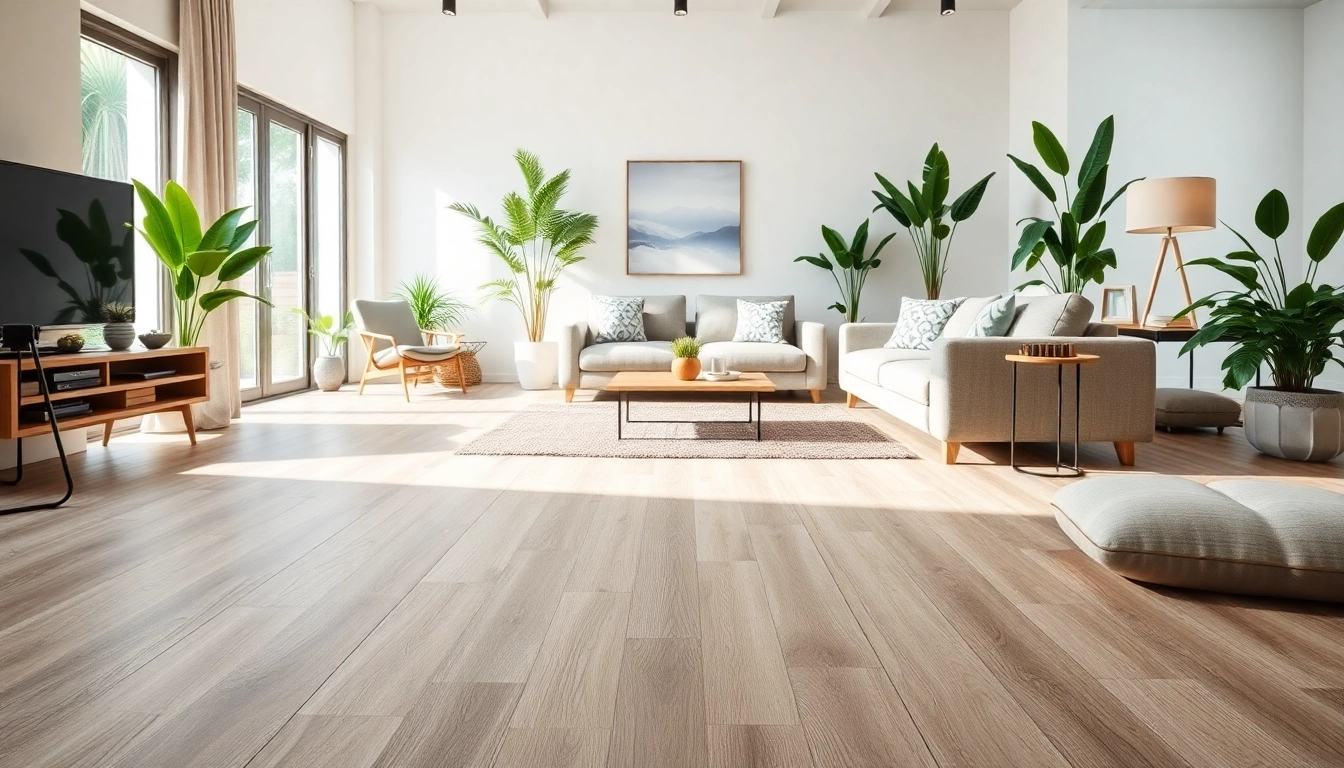
Another significant advantage of quality vinyl flooring is the variety of styles and designs available. Whether your aesthetic leans toward modern minimalism or classic elegance, there’s a vinyl floor to match your vision. With advances in printing technology, vinyl can realistically mimic an array of materials, including wood, stone, and tile, providing the luxurious look of high-end surfaces without the associated costs.
From rustic oak finishes to sleek ceramic tiles, quality vinyl flooring can complement any decor. This extensive range of designs allows homeowners and designers alike to be creative, enabling them to set up the perfect ambiance in any room. Whether you’re looking to add warmth to a living room or a sleek finish to a bathroom, there are countless options to explore.
Choosing the Right Quality Vinyl Flooring for Your Space
Choosing the right quality vinyl flooring involves several factors, including assessing your needs, comparing different options, and considering professional installation. Making informed decisions at each step can lead to a more satisfying outcome, ensuring the flooring serves your functional and aesthetic needs.
Assessing Your Needs and Preferences
Understanding your specific requirements before selecting a quality vinyl flooring type is crucial. Consider the space’s functionality—will it be a high-traffic area, or is it for a more secluded space? Think about the activities that will take place there, such as entertaining guests, playing children’s games, or hosting pets. These factors will help guide your choices toward the most suitable style and durability level.
Next, reflect on your design preferences. Do you prefer a modern look, or are you more inclined toward classic styles? Also, consider color schemes, textures, and the overall theme of your home. Identifying your preferences early in the selection process can significantly streamline your choices.
Comparing Different Vinyl Options
Quality vinyl flooring comes in various types, each with its unique features. The primary categories include luxury vinyl tile (LVT), luxury vinyl plank (LVP), and sheet vinyl. LVT resembles ceramic or stone tile, making it a popular option for bathrooms and kitchens. LVP mimics hardwood flooring, ideal for living areas and bedrooms. Sheet vinyl typically comes in larger, continuous rolls, which can be advantageous for spaces with minimal seams.
When comparing options, check specifications such as thickness, wear layer, and warranty. Thicker flooring typically offers better durability and noise reduction. The wear layer, measured in millimeters, is crucial for resisting scratches and stains. A warranty period can also indicate the manufacturer’s confidence in their product, thus providing further reassurance.
Importance of Professional Installation
While DIY projects can be appealing, opting for professional installation for quality vinyl flooring can yield significant benefits. Professional installers bring expertise that guarantees the material is laid correctly, which is critical for achieving a seamless appearance and ensuring long-lasting performance. An improper installation can lead to issues such as buckling or warping, ultimately compromising the flooring’s integrity.
Furthermore, professionals typically have access to better tools and techniques, ensuring a high-standard finish. They can also provide insight into any specific requirements for the flooring type you’ve chosen, enhancing the overall outcome. While it may incur additional upfront costs, the long-term performance and visual appeal make professional installation a worthwhile investment.
Maintenance Tips for Quality Vinyl Flooring
To keep your quality vinyl flooring looking its best, regular maintenance is essential. With straightforward care practices, you can ensure your flooring not only lasts but also retains its visual appeal over time.
Routine Cleaning Practices
Routine cleaning is vital for preserving the integrity and appearance of quality vinyl flooring. Sweep or vacuum your floors regularly to remove dirt and debris that may scratch the surface. For deeper cleaning, a damp mop using a pH-neutral cleaner designed for vinyl can be highly effective. Avoid using harsh chemicals or abrasive tools, as they can damage the surface finish.
Additionally, creating a cleaning schedule ensures your floors remain pristine. Establish routines that match the level of traffic in your home or business. Areas with high foot traffic may necessitate more frequent cleaning, while lesser-used spaces could require less attention.
Spot Cleaning Techniques
Spills and stains are inevitable in any home or workplace. Quick response is essential for minimizing damage to your quality vinyl flooring. Blot spills with a clean, dry cloth immediately; this prevents moisture from seeping into the seams or backing. For tougher stains, a solution of warm water and mild dish soap can be effective. Gently scrub the affected area with a soft cloth until the stain lifts, then rinse with clear water and dry thoroughly.
For specific stains like ink, paint, or marker, specialized cleaner may be required. Always read labels to ensure the cleaning product is safe for use on vinyl and perform a patch test before applying it broadly.
Long-Term Care Considerations
Maintaining quality vinyl flooring extends beyond regular cleaning. Consider investing in protective measures to enhance longevity. Using area rugs in high-traffic spots can reduce wear and tear, while felt pads under furniture can prevent scratches. Additionally, ensure to keep pet nails trimmed to minimize potential damage.
Moreover, it’s essential to keep the environment in mind. Avoid exposing vinyl flooring to excessive moisture or heat. Humidity can lead to warping over time, so consider using humidifiers or dehumidifiers if you live in an area with extreme weather changes.
Common Misconceptions About Quality Vinyl Flooring
Despite its benefits, some misconceptions about quality vinyl flooring can deter consumers from making informed choices. Understanding and debunking these myths can clarify the value that quality vinyl flooring can offer.
Debunking Durability Myths
A common belief is that vinyl flooring lacks durability compared to other flooring options. In reality, quality vinyl flooring is designed for performance. Many products come with a robust wear layer that guards against scratches and scuffs, making them just as resilient as hardwood or tile flooring. Proper maintenance further extends their lifespan, dispelling the myth that vinyl floors are easily damaged.
Environmental Impact Analysis
Another misconception surrounds the environmental impact of vinyl flooring. While some vinyl products were historically associated with harmful chemicals, recent advancements have led to more environmentally friendly options. Many manufacturers now focus on sustainability, producing lower-VOC emissions and utilizing recycled materials in their flooring. Choosing certified products helps ensure that your flooring choice reflects an eco-conscious mindset.
Cost Myths and Realities
Some believe that because quality vinyl flooring is cheaper than hardwood or tile, it is of lower quality. However, the reality is that many high-quality vinyl products offer exceptional durability and aesthetics at a fraction of the cost of traditional materials. The long-term savings on maintenance and replacement costs highlight its value, proving that quality vinyl flooring can be a smart financial investment.
FAQs About Quality Vinyl Flooring
What is quality vinyl flooring made from?
Quality vinyl flooring is primarily made from polyvinyl chloride (PVC) along with plasticizers, stabilizers, and pigments to enhance durability and aesthetics.
How to install quality vinyl flooring?
Installation typically involves cleaning the subfloor, laying underlayment, and adhering the vinyl planks or tiles following manufacturer guidelines, or seeking a professional installer.
Can quality vinyl flooring be repaired?
Yes, quality vinyl flooring can often be repaired. For minor scratches or scuffs, there are specific vinyl repair kits available. In cases of severe damage, a plank or tile can be replaced.
Is quality vinyl flooring waterproof?
Most quality vinyl flooring options are water-resistant and many are fully waterproof, making them suitable for moisture-prone areas like bathrooms and kitchens.
How long does quality vinyl flooring last?
Quality vinyl flooring can last between 15 to 25 years, depending on the product quality, installation, and maintenance practices used over time.