
Enhancing Engagement and Reach in Sports Broadcasting
Understanding Sports Broadcasting
What is Sports Broadcasting?
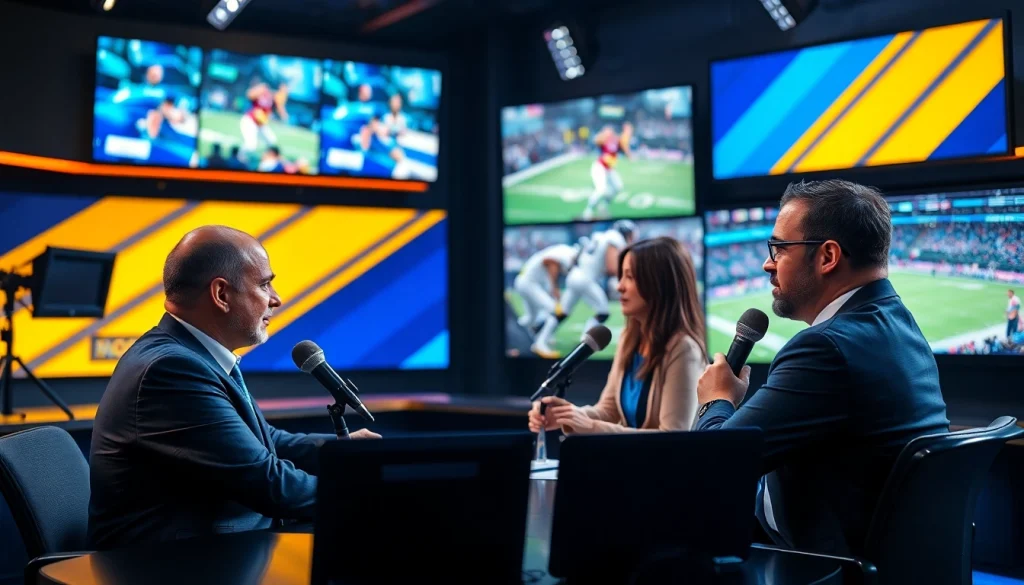
Sports broadcasting is the distribution of sports events via telecommunications means, primarily through television, radio, and digital platforms. Its core function is to enhance viewer engagement by bringing live sports experiences to audiences, regardless of their geographical location. The landscape of Sports Broadcasting has evolved, introducing innovative ways for fans to engage with their favorite sports and teams. From play-by-play commentary to engaging pre- and post-game analyses, this form of broadcasting plays a crucial role in sports culture.
Historical Evolution of Sports Broadcasting
The inception of sports broadcasting can be traced back to the early 20th century when radio first became popular. The first major sports event broadcast was the 1921 boxing match between Jack Dempsey and Georges Carpentier, captivating audiences and paving the way for future broadcasts. The advent of television in the 1950s revolutionized the industry, making sports widely accessible, leading to explosive growth in both viewership and fan engagement.
As technology advanced, so did sports broadcasting. The introduction of cable television in the 1980s allowed for dedicated sports channels, fostering immense competition and leading to multi-million dollar broadcasting rights deals. The rise of the internet and live streaming in the 21st century further transformed how audiences consume sports content, with on-demand streaming services allowing fans greater flexibility in viewing habits. Today, sports broadcasting encompasses a variety of platforms, including social media and mobile applications, providing real-time updates and interactive content.
Key Components of Successful Sports Broadcasting
A successful sports broadcasting operation relies on several key components:
- Commentary and Analysis: Engaging, knowledgeable commentators provide fans with context and insights, enhancing their understanding and enjoyment of the game.
- Production Quality: High-definition visuals, clear audio, and seamless transitions are crucial for maintaining viewer interest.
- Technology: Use of advanced camera techniques, drone footage, and augmented reality graphics can offer fans a unique perspective on the action.
- Audience Engagement: Interactive features like polls and chats that allow viewer participation can create a more immersive experience.
Strategies for Effective Sports Broadcasting
Utilizing Technology in Sports Broadcasting
The integration of cutting-edge technology is reshaping the landscape of sports broadcasting. Innovations such as virtual reality (VR) and augmented reality (AR) have emerged, offering fans an immersive viewing experience. For instance, VR technology can transport viewers into the stadium, enabling them to feel as if they are part of the live event, sitting among the crowd.
Moreover, advanced analytics tools provide broadcasters with real-time statistics, enhancing commentary and viewer understanding. This fusion of data and storytelling makes for a richer experience, enabling fans to appreciate the nuances of the sport more deeply. Enhanced graphics and instant replay systems also ensure that while the broadcasting pans to action across the field, vital statistics and important moments are never missed.
Engaging Audiences Through Interactive Content
In the digital age, engaging content is paramount. Broadcasters are shifting towards interactive formats that invite viewer participation. This includes live polls about game outcomes, fan quizzes, and select-your-own-adventure scenarios, allowing viewers to influence the coverage dynamically. Social media platforms also play a vital role, as they allow broadcasters to create real-time interactions through live-tweeting and live-streaming events.
Interactive content can increase viewer engagement and build a sense of community among fans. For example, incorporating player Q&A sessions or behind-the-scenes footage can create a deeper connection between athletes and their supporters, enhancing loyalty toward teams.
Leveraging Social Media for Reach
Social media serves as an invaluable tool in sports broadcasting, expanding its reach beyond traditional platforms. Broadcasters can share snippets of live action, commentary, and custom graphics across platforms like Twitter, Instagram, and TikTok, catering to younger audiences who consume content primarily on mobile devices. This strategy not only increases visibility for broadcasts but also encourages fan interaction, creating viral moments that increase the overall excitement of the sporting events.
The use of social media analytics helps broadcasters understand viewer preferences, tailoring content to match audience tastes. Learning what resonates with fans can lead to specialized programming, such as behind-the-scenes features or athlete interviews, enriching the overall viewer experience. Social media campaigns can effectively activate fan bases and garner engagement pre- and post-event, sustaining interest even when games are not being played.
Challenges in Sports Broadcasting
Navigating Broadcast Rights and Regulations
One of the most significant challenges in sports broadcasting is navigating complex broadcast rights and regulations. Various leagues and organizations manage rights to specific games and events, often leading to bidding wars among broadcasters. This results in substantial costs for broadcasting rights, impacting the operational budget of networks.
Moreover, strict regulations govern how and when content can be shown, which varies by territory. Broadcasters must stay informed on these regulations to avoid violations that could lead to substantial penalties or loss of rights. Strategic partnerships and clear contracts with leagues can mitigate these concerns, ensuring smoother operations and compliance with legal obligations.
Adapting to Changing Viewer Preferences
As technology and culture evolve, so do viewer preferences. Younger generations increasingly demand personalized, on-demand content, favoring platforms like YouTube and streaming services over traditional cable. This shift necessitates broadcasters to adapt, focusing on creating content that resonates with digital-native audiences, such as highlights and short-form content, while neglecting long-form programming that may not be relevant.
To address this challenge, sports broadcasters can invest in research to understand viewer behavior and preferences. Customized offerings, like exclusive online content or behind-the-scenes access, cater to these changing demands and foster an engaging viewer experience.
Maintaining High Production Quality
Ensuring high production quality is critical for retaining viewers and enhancing the overall experience. Audiences expect professional-grade broadcasts, which demands investment in tech, equipment, and expertise. However, achieving consistent quality can be particularly challenging for smaller networks or new entrants in the industry.
Broadcasters must continually assess and update their equipment, train staff, and implement best practices to meet audience expectations. Furthermore, developing strong collaboration with production teams ensures effective communication, resulting in seamless broadcasts that engage viewers and maintain high standards.
Performance Metrics in Sports Broadcasting
Analyzing Viewer Engagement
Measuring viewer engagement is essential for sports broadcasters looking to maximize their reach and improve offerings. This involves analyzing viewer interactions, such as social media engagement, participation in polls, and trends during live broadcasts. Understanding how viewers engage with content provides crucial insights that inform future programming and marketing strategies.
Viewership analytics, such as average view duration and peak engagement times, offer more granular insights into audience behavior. These metrics allow broadcasters to identify what content resonates best with viewers, enabling them to adapt accordingly, resulting in increased loyalty and overall satisfaction.
Key Performance Indicators for Success
Key Performance Indicators (KPIs) are valuable tools in measuring the success of sports broadcasting efforts. Common KPIs include Total Viewership, Share of Audience, Engagement Rate, and Advertising Revenue. By tracking these metrics, broadcasters can assess their performance against goals, understand audience preferences, and refine their strategies for capturing and holding interest.
Setting specific, measurable goals ensures that broadcasters remain accountable and responsive to any shifts in viewer interests and engagement levels, ultimately informing decisions that enhance their content and delivery methods.
Tools for Measuring Broadcast Impact
Various analytics tools are available to assess the impact of sports broadcasts. Tools such as Nielsen ratings for television viewership and digital platforms like Google Analytics monitor audience behavior online. These tools allow for a comprehensive understanding of viewer data, from demographics to viewing habits, enabling informed decision-making.
Utilizing these tools effectively often requires collaboration between data analysts and content creators, ensuring insights translate into actionable strategies. Regular review of these metrics drives continuous improvement, encouraging innovation to capture audience interest and maintain relevance in an ever-evolving industry.
Future Trends in Sports Broadcasting
Emerging Technologies Shaping the Industry
The landscape of sports broadcasting is constantly evolving with emerging technologies like Artificial Intelligence (AI) and Machine Learning (ML). These technologies enable broadcasters to automate various processes, analyze viewer data more efficiently, and create personalized viewing experiences for audiences. AI can power chatbots for real-time viewer queries, while ML algorithms can recommend specific content based on viewer behavior.
Additionally, the rise of 5G technology is set to revolutionize live broadcasts, reducing latency and allowing for ultra-high-definition streaming experiences. This advancement will further enrich the viewing experience, making it more interactive and engaging.
Changing Landscape of Audience Demographics
Understanding audience demographics is paramount for shaping future broadcasting strategies. As new generations of viewers enter the sports arena, their preferences can differ dramatically from traditional viewers. Younger audiences often favor quick, entertaining highlights and have a proclivity for digital platforms over traditional cable broadcasts.
Broadcasters must consider these shifts in creating content tailored to diverse demographics. Generating targeted marketing campaigns that resonate with specific age groups, cultures, and interests reflects a commitment to inclusivity and enhances viewer loyalty.
Sustainable Practices in Sports Broadcasting
Sustainability is becoming an increasingly important consideration in sports broadcasting. From reducing carbon footprints through eco-friendly production practices to promoting socially responsible narratives, broadcasters are beginning to embrace sustainability as a core component of their operations. This includes utilizing energy-efficient technology and reducing waste during live events.
Additionally, incorporating sustainability messages into broadcasts encourages viewers to align with eco-conscious values, enhancing the brand’s appeal. By promoting these initiatives, broadcasters can foster a deeper connection with viewers who increasingly prioritize socially responsible practices.
Frequently Asked Questions
What is the primary role of sports broadcasting?
The primary role of sports broadcasting is to deliver live sports events and related content to audiences through various telecommunications platforms, enhancing fan engagement and accessibility to sporting events.
How has technology influenced sports broadcasting?
Technology has revolutionized sports broadcasting by introducing advanced production techniques, real-time analytics, and enhanced viewer interactivity, creating richer and more immersive experiences for fans.
What are some significant challenges in sports broadcasting?
Key challenges include navigating complex broadcast rights, adapting to changing viewer preferences, and maintaining high production quality, all of which require strategic planning and continual adaptation.
What are the key performance indicators for sports broadcasts?
Common KPIs include total viewership, engagement rates, share of audience, and advertising revenue, which help broadcasters assess their performance and make informed decisions on future content strategies.
What future trends are emerging in sports broadcasting?
Emerging trends include the integration of AI and machine learning, increased focus on sustainability, and adapting to changing audience demographics, all of which are shaping the future landscape of sports broadcasting.